

The Ultimate Guide to Vaishno Devi: A Pilgrimage to Remember
October 12, 2024 | by Northyatra Blogs
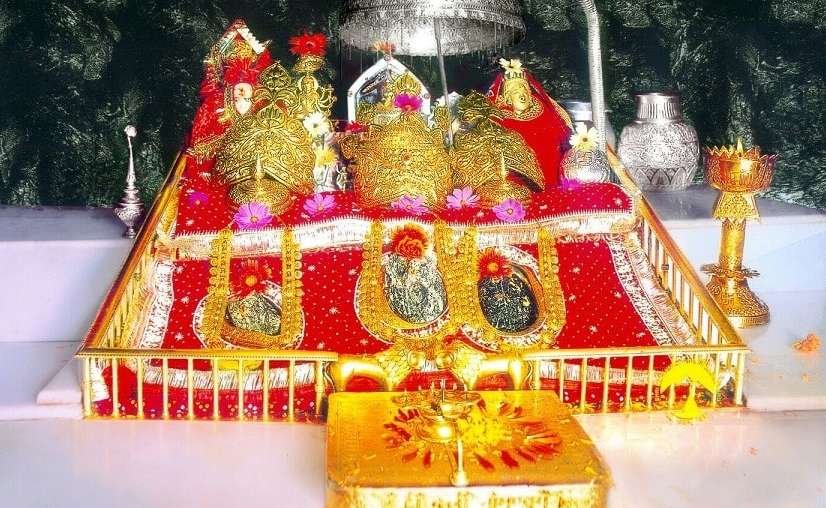
Introduction to Vaishno Devi
Vaishno Devi is a highly esteemed pilgrimage destination located in the Trikuta Mountains of Jammu and Kashmir, India. This sacred site attracts millions of devotees each year, making it one of the most visited religious destinations in the country. The journey to Vaishno Devi is not merely a physical endeavour but also a profound spiritual quest for many believers who seek the blessings of the divine.
The temple is dedicated to Goddess Vaishno Devi, an incarnation of the goddess Durga, signifying the triumph of good over evil. The legend surrounding the site narrates how the goddess manifested herself as a divine figure to protect her devotees. The significance of Vaishno Devi transcends geographical boundaries, drawing devotees from diverse backgrounds, all initiated by the longing for spiritual connection and enlightenment. The spiritual experience of reaching the temple, often referred to as a “journey of a lifetime,” contributes to the pilgrimage’s importance.
Visitors typically embark on a trek from Katra, a small town situated approximately 13 kilometers away from the temple. Along the route, pilgrims can choose various options to reach their destination: walking, horseback riding, or utilizing the vaishno devi helicopter package for a quicker ascent. The experience of the journey is accentuated by beautiful scenic views and a sense of camaraderie among fellow travelers. Regarding preparation, it is advisable to secure your vaishno devi ticket in advance, particularly during peak pilgrimage seasons.
In recent years, various travel packages have emerged to facilitate easier access to this revered location, catering to different needs and preferences. The vaishno devi blog and guide content also serves to enhance the experience by offering insights into the cultural and historical significance of the pilgrimage, as well as practical tips for a smoother visit. As the spiritual hub continues to grow in significance, it is essential for every devotee to embrace the journey with reverence and an open heart.
Religious Significance of Vaishno Devi
The Vaishno Devi shrine, situated in the Trikuta Mountains of Jammu and Kashmir, holds profound religious significance for millions of devotees. It is dedicated to Goddess Vaishno Devi, regarded as a manifestation of Goddess Durga. The mythology surrounding Vaishno Devi is rich and captivating, with numerous legends depicting her divine qualities and prowess. According to one of the most popular narratives, she was born as a beautiful girl named Vaishnavi, who undertook severe penance to attain the status of a goddess. This endeavor was aimed at annihilating the demon king Bhairon Singh, symbolizing the triumph of good over evil. This legend alone attracts many devotees who seek spiritual solace and blessings at the shrine.
The pilgrimage to Vaishno Devi is not merely a journey; it represents a spiritual ritual marked by devotion and faith. Pilgrims undertake the trek to the shrine, often chanting prayers and hymns, reinforcing their connection to the divine. The entire route to the shrine is imbued with a sense of reverence, with many choosing to connect with nature as they ascend the hill. Devotees believe that each step taken in this pilgrimage purifies the soul and brings them closer to the goddess. The rituals and prayers performed at Vaishno Devi include offerings of flowers, fruits, and other materials that symbolize gratitude and reverence towards the goddess, thus creating a ritualistic engagement with this revered deity.
Furthermore, the significance of the Vaishno Devi temple extends beyond the physical pilgrimage itself. It embodies a deeper spiritual journey, encouraging individuals to reflect on their lives and seek emotional and spiritual healing. The experiences shared by the pilgrims often highlight miraculous interventions and blessings received from the goddess, which further solidifies the shrine’s esteemed position in Hindu worship. Overall, the combination of mythology, ritual practice, and personal devotion renders Vaishno Devi a pivotal pilgrimage site for countless believers.
Historical Overview of Vaishno Devi
The Vaishno Devi shrine, located in the Trikuta Mountains of Jammu and Kashmir, India, holds immense significance in Hinduism. Its origins can be traced back to ancient times, with legends suggesting that the site has been revered by devotees for thousands of years. According to local lore, the goddess Vaishno Devi, an incarnation of the Goddess Durga, manifested herself in response to the devotion of the saint, Bhairo Nath, and the desire of her followers seeking divine blessings.
The establishment of the shrine as a major pilgrimage site began around the 20th century, although its roots lie far deeper in history. The temple’s architecture has evolved over the centuries, reflecting the changing styles and aids provided by different rulers. Historical texts indicate that kings from various dynasties, including the Dogra rulers, contributed to the development of the temple complex, enhancing both its structure and accessibility for pilgrims.
A notable historical event occurred in the late 19th century when the shrine gained prominence due to the efforts of influential devotees and the increasing number of visitors. The Vaishno Devi helicopter package, introduced in the modern era, marked a significant transformation in the pilgrimage experience, allowing easier access for those unable to undertake the challenging trek to the temple. This initiative not only increased the number of pilgrims but also cemented the shrine’s status as one of the most important religious sites in India.
Throughout its history, the Vaishno Devi shrine has not only served as a spiritual haven but has also played a crucial role in the region’s cultural fabric. Famous devotees, including prominent figures from history and contemporary society, have sought the blessings of the goddess, further solidifying the shrine’s revered status. As the shrine continues to evolve, it remains a testament to the enduring devotion and faith that surrounds the goddess Vaishno Devi, symbolizing a deep-rooted connection with history and spirituality.
Cultural Importance of the Pilgrimage
The pilgrimage to Vaishno Devi is not merely a journey of individual devotion but is deeply embedded in the cultural fabric of the region. This significant religious site attracts millions of devotees each year, who embrace the rich traditions and customs surrounding the visit. Pilgrims often partake in various rituals before embarking on the trek to the holy cave, with many families depending on the Vaishno Devi package offerings that include accommodations, meals, and transportation, including the popular Vaishno Devi helicopter package for those seeking convenience.
The community engagement during the pilgrimage is immense, as it brings together people from diverse backgrounds. Local traditions flourish during peak pilgrimage seasons, particularly during the Navratri festival when believers embark on the journey in large groups. The collective fervor is palpable, with devotional songs and dances resonating throughout the region, reinforcing communal bonds. Additionally, many locals prepare offerings and participate in rituals to foster a sense of unity and shared purpose, further enriching the cultural experience.
The folklore surrounding Vaishno Devi adds another layer of cultural significance. Stories of divine intervention and miraculous experiences are passed down through generations, inspiring devotion among the locals and pilgrims alike. Many community members recount personal narratives linked to their encounters with the goddess, enhancing the overall spiritual atmosphere of the pilgrimage. Engaging with these tales provides a deeper understanding of the lasting impact of the Vaishno Devi ticket purchases and the dedication shown by attendees. The pilgrimage, thus, becomes a vital thread in the tapestry of local culture, reinforcing not only individual faith but also communal identity.
How to Reach Vaishno Devi
Reaching the revered Vaishno Devi temple, nestled in the Trikuta Mountains of Jammu and Kashmir, can be a fulfilling journey for pilgrims. To begin your pilgrimage, start by determining your preferred mode of transportation—air, rail, or road. The nearest airport to Vaishno Devi is the Jammu Airport (IXJ), which is approximately 48 kilometers from Katra, the base camp for the trek to the temple. Multiple airlines operate frequent flights connecting Jammu to major cities across India, making air travel a convenient option.
If you prefer traveling by train, the Jammu Tawi Railway Station serves as the closest major railway hub, situated roughly 50 kilometers from Katra. This station connects well with major urban centers, and numerous trains run daily, catering to pilgrim traffic. Upon arrival at Jammu, you can hire a taxi or board a bus to reach Katra, which is the starting point for your pilgrimage.
For those who opt for road travel, Katra is well-connected via national highways, making it accessible from various parts of Jammu & Kashmir. You can consider taking a bus from Jammu that operates regularly, or you may drive to Katra if you have your vehicle. The scenic drive to Katra offers picturesque views of the hilly terrain that surrounds the area.
Once in Katra, it’s essential to gather information regarding the trek route to the Vaishno Devi temple, which spans approximately 13 kilometers and can be covered on foot or by pony. Pilgrims also have the option to book a Vaishno Devi helicopter package for a swift ascent to a specific point close to the temple, making the journey easier, especially for first-time travelers. Ensure to pre-book your vaishno devi helicopter ticket, as this service can become quite popular during peak pilgrimage seasons. With proper planning, your journey to the divine abode of Vaishno Devi can be seamless and spiritually uplifting.
Travel Tips for First-Time Visitors
Visiting Vaishno Devi is a spiritual journey that offers not only tranquility but also an opportunity to connect with nature. For first-time visitors, there are several essential travel tips to enhance your pilgrimage experience. One of the most important aspects is timing; the best months to visit are typically from March to October. During these months, the weather is pleasant, and the crowd is manageable, making the ascent more enjoyable.
Physical preparation is crucial since the trek from Katra to the Vaishno Devi temple is approximately 12 kilometers and can be demanding. It is advisable to engage in light physical activities or brisk walking prior to your trip, especially if you are not accustomed to long walks. Proper footwear is essential; sturdy, comfortable shoes will help you navigate the rocky terrain with ease. Pilgrims should also consider packing light but include necessary items such as a walking stick, water bottles, and some snacks for sustenance during the trek.
When planning your trip, it is beneficial to explore the various Vaishno Devi packages available. These packages often include accommodations and may also cover a Vaishno Devi helicopter ticket, which allows you to skip a portion of the trek and reach the temple more comfortably. Additionally, booking your Vaishno Devi ticket in advance can save you time at the starting point in Katra. Many pilgrims choose to travel in groups; this can enhance your experience, as you can share challenges and joys along the way.
Be prepared for crowds, particularly during weekends and holidays, as many visitors seek the blessings of the deity. Staying hydrated and taking breaks as needed will help maintain your stamina throughout the journey. Pilgrims can expect a religious atmosphere filled with devotion, making each step toward the temple a memorable part of their Vaishno Devi experience.
Accommodation and Food Options
Visiting the Vaishno Devi shrine is not just a spiritual journey; it also involves careful planning for your stay and dining. The area surrounding the temple offers a variety of accommodation options for pilgrims, catering to different budgets and preferences. Budget hotels provide essential amenities at affordable rates, making them a practical choice for travelers looking to save money. For those seeking a more comfortable experience, numerous mid-range hotels offer additional facilities such as room service and leisure activities. Furthermore, luxury hotels are available close to the shrine, featuring top-notch services and stunning views of the surrounding mountains, ensuring a more indulgent stay. The proximity of these accommodations to the Vaishno Devi temple varies, with some places located just a few minutes away, facilitating easy access for pilgrims, especially during early morning or late-night visits.
When it comes to culinary experiences, visitors can expect a delightful array of local cuisine. The region is known for its delicious vegetarian offerings, commonly found in local eateries and restaurants. Popular dishes include Rajma (kidney beans), Chole Bhature, and delicious Aloo Tikki, which are essential for any food enthusiast. Pilgrims are also encouraged to try wholesome meals served at the langars (community kitchens) near the temple, which provide free food to all visitors, promoting the spirit of community and charity. For those wishing to enjoy refreshments, tea stalls and small cafes provide a quick respite after a long day of trekking.
As you plan your journey with a Vaishno Devi package, it is vital to prioritize your accommodation and food options. Comfortable lodging and satisfying meals will enhance your pilgrimage experience, allowing you to focus on your spiritual goals while enjoying the local culture.
Spiritual Practices at Vaishno Devi
Visiting the Vaishno Devi shrine is not only a journey of physical endurance but also a profound spiritual experience for many devotees. The sacred atmosphere surrounding the temple inspires a variety of spiritual practices that enhance the pilgrimage. One of the central rituals performed at Vaishno Devi is the aarti, which is a devotional song sung in praise of the goddess. This ritual is typically performed multiple times throughout the day, and participating in the aarti allows devotees to express their reverence and seek divine blessings. The soul-stirring chants create an immersive experience that resonates with the crowd, connecting the individual with the collective spiritual energy of the shrine.
Moreover, the practice of making offerings is integral to the Vaishno Devi experience. Devotees may present various items such as fruits, sweets, and flowers at the shrine as tokens of their devotion. These offerings symbolize gratitude and devotion, reflecting one’s earnest desire for blessings and grace from the goddess. The act of giving is seen as a way to establish a spiritual connection, making the pilgrimage even more meaningful.
Personal prayers also form a significant part of the spiritual practices at Vaishno Devi. Many pilgrims take time to reflect and meditate, expressing their hopes, desires, and grievances in the sacred space of the temple. By engaging in heartfelt prayers, visitors can find solace and a sense of purpose, deepening their spiritual journey. The tranquil environment of the temple enhances this experience, offering a respite from the noise of daily life.
For those considering a visit, understanding these spiritual practices can greatly enrich your Vaishno Devi experience, making each moment spent at the shrine a cherished memory. Embracing these rituals aids in creating a profound connection with the divine and enhances the overall pilgrimage experience.
Extras: Nearby Attractions and Why Northyatra Stands Out
Visiting the Vaishno Devi shrine is not just about the spiritual journey; it also offers an opportunity to explore a variety of nearby attractions that enhance the pilgrimage experience. Among the notable sites is the ancient Bhairav Nath Temple, located a short distance from the main shrine. Revered for its spiritual significance, devotees often visit this temple to seek blessings and complete their pilgrimage. In addition, the tranquil surroundings of the Trikuta Mountains provide adventurers with ample opportunities for trekking and panoramic views that are not to be missed.
Another must-visit site is the Aghar Jitto Temple, which is known for its rich history and closely linked to the local culture. This temple attracts visitors seeking a deeper understanding of the region’s spiritual heritage. Additionally, the scenic landscapes around Katra, the base for the Vaishno Devi trek, invite visitors to enjoy peaceful walks or engaging outdoor activities in the natural beauty of the Himalayas.
To make the most of your pilgrimage, choosing the right travel partner can greatly enhance your experience. Northyatra stands out by offering customized Vaishno Devi packages that cater to the unique needs of each visitor. Their services include well-structured itineraries that allow travellers to explore both the sacred sites and nearby attractions at a comfortable pace. Affordable rates and attentive assistance exemplify Northyatra’s commitment to ensuring pilgrims have a memorable journey. Moreover, the convenience of procuring Vaishno Devi helicopter tickets through Northyatra can save time and energy, allowing visitors to focus more on their spiritual pursuits.
Considering these factors, it becomes evident why Northyatra is an ideal choice for anyone looking to experience the Vaishno Devi pilgrimage fully. They seamlessly blend spiritual fulfilment with meaningful exploration, making every journey uniquely special.
A Blog By Expert
By NorthYatra.com